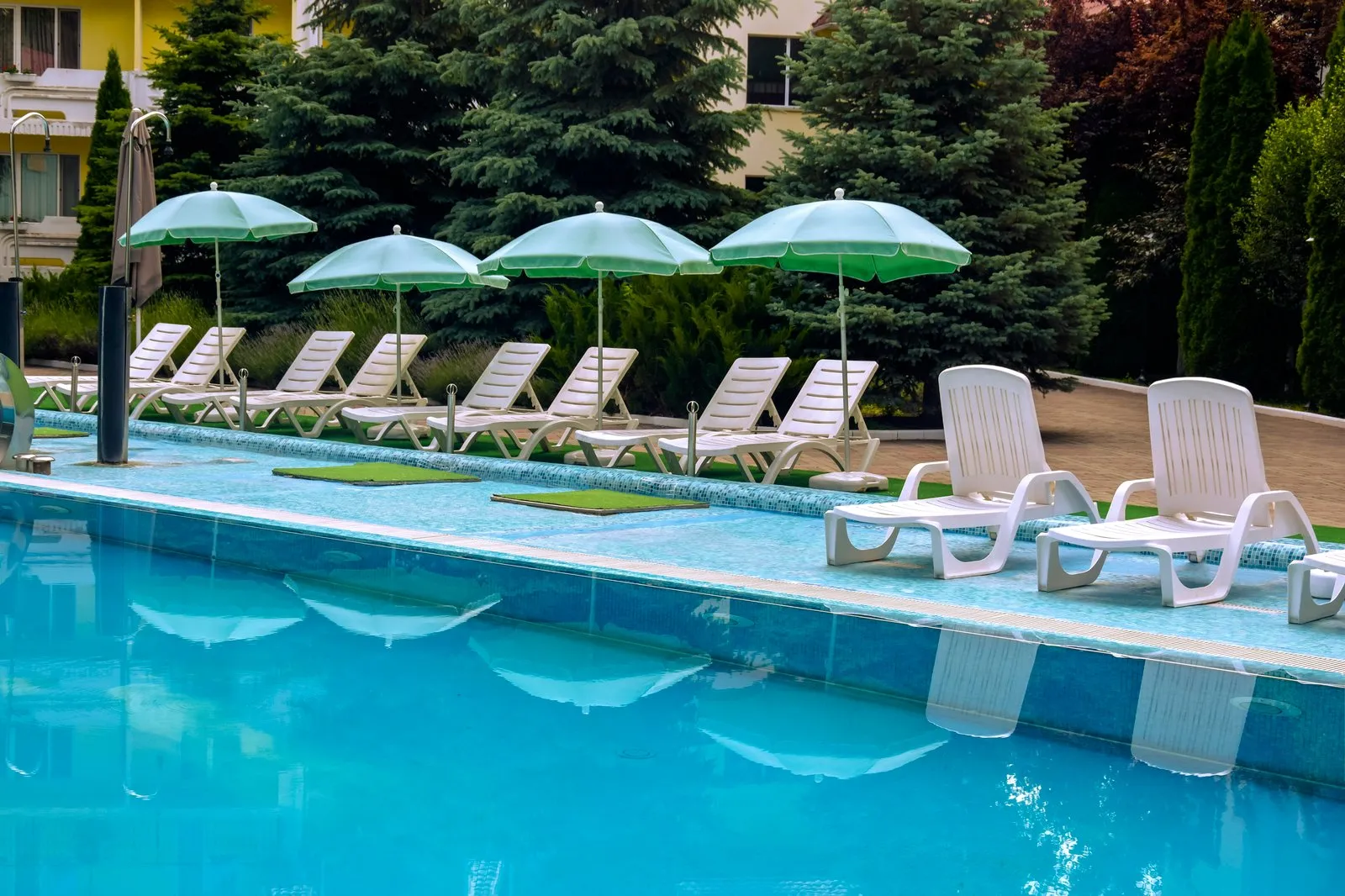
A pool deck in Lake Havasu City lives a tough life. It sits in full sun through some of the hottest days anywhere, gets splashed with chlorinated or salt water all day, carries bare feet and lounge chairs, and occasionally gets hit by a hard summer storm. Bare concrete stains, cracks and gets hot enough to hurt. Old deck coatings fade and peel.
The right coating makes a big difference. Light colors and real texture keep the surface more comfortable and safer, UV-stable materials keep it looking fresh, and proper preparation keeps it bonded. The wrong coating, such as a glossy garage system placed outdoors, can be slippery, hot and short-lived. Here is how we approach outdoor surfaces in Havasu.
Keeping bare feet happier
Nothing in direct July sun stays cool, but some surfaces stay a lot more comfortable than others. Two things matter most.
Color. Dark surfaces absorb much more sunlight than light ones and get noticeably hotter. That is why nearly every pool deck we coat uses a light, warm color like sand, cream or pale grey.
Texture. A knockdown or broadcast texture breaks up the surface, so less of your foot is in full contact at once. It also gives real grip when the deck is wet, which is the number one safety concern around a pool.
Smooth, glossy coatings do the opposite on both counts, which is why we never use a garage-style finish on an open pool deck.
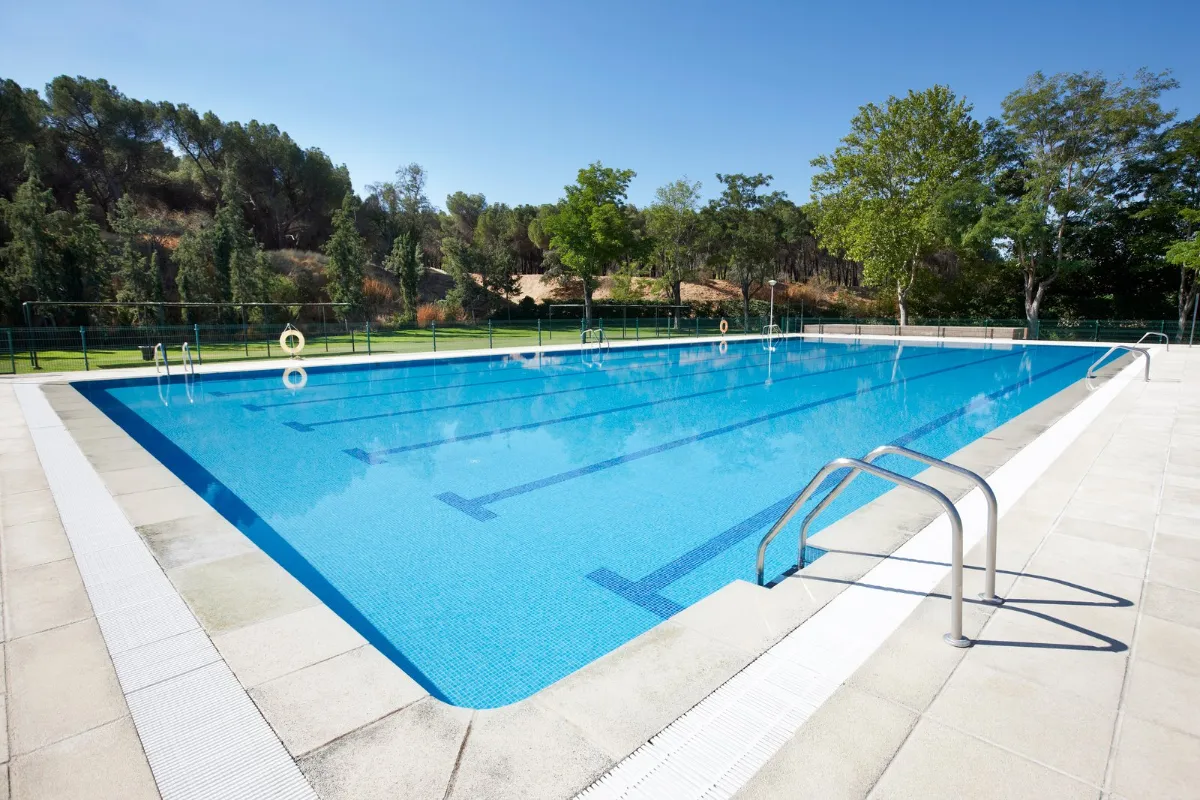
Outdoor coating systems
The right choice depends on sun exposure, use and the condition of the concrete.
Knockdown deck finish
A trowel-textured acrylic or cementitious finish in light colors. Cool-feeling and slip-resistant, a classic around Arizona pools.
Textured polyaspartic
A UV-stable coating with aggregate broadcast for grip. Clean-looking and durable for patios and walkways.
Exterior flake
A flake broadcast under a UV-stable clear top. Best for covered patios and lanais.
Penetrating sealer
Keeps the original concrete look while cutting down how much water, chlorine and grime soak in. A sensible budget pick for side yards.
Outdoor surfaces we coat
What a coated deck gets you
Safer footing. Texture means grip when wet, around the pool and on paths sprinklers reach.
More comfortable surfaces. Light, textured finishes stay noticeably more bearable than dark or bare concrete on hot afternoons.
Easier cleaning. Leaves, sand and sunscreen rinse off a sealed surface instead of staining it.
Fresh, uniform look. Old cracks, patches and mismatched concrete disappear under one finished surface.
Longer life for your concrete. Coatings and sealers cut down on water absorption and chemical damage.
How we coat a pool deck or patio
Inspect
We check cracks, drainage, old coatings and mineral buildup.
Clean and profile
Pressure cleaning, grinding or profiling, and removal of failing coatings.
Repair
Cracks get exterior-rated flexible filler; the joint at the pool coping is sealed separately.
Apply the system
Base, texture and topcoat layers, applied early in the day.
Cure
Most decks are ready for foot traffic within a day, furniture shortly after.
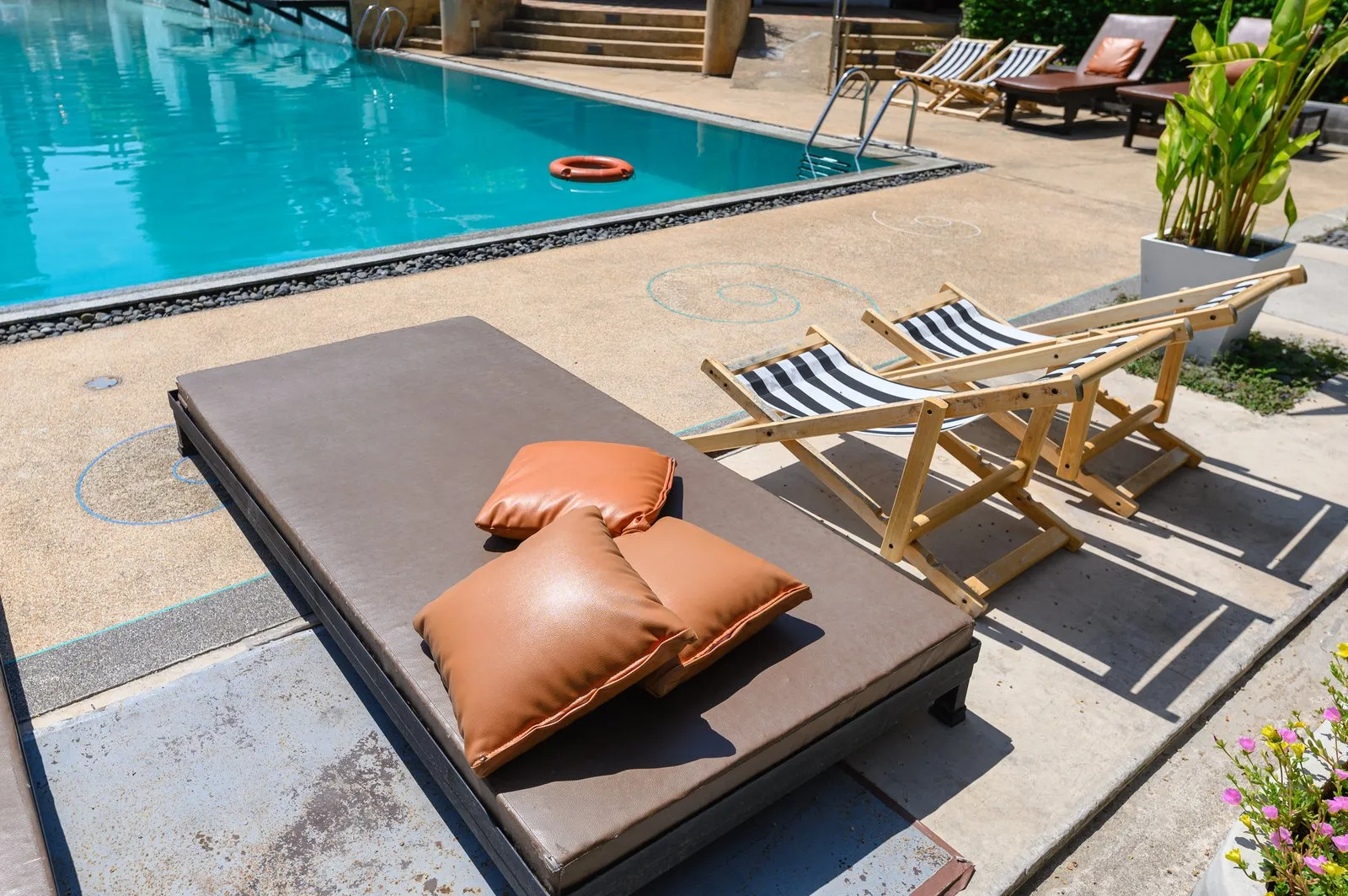
Sun, storms and hard water
Havasu's outdoor concrete deals with extreme surface heat, strong UV, hard water from pools and sprinklers, and the occasional heavy storm. That combination is why we pay close attention to materials and timing.
We use UV-stable products so colors do not fade or chalk. We schedule work for early mornings in summer, when surfaces are cooler. We watch the forecast during storm season, since coatings need time to set before rain. And we look at drainage: water that pools on a deck after a storm or overspray should be addressed before or during coating.
Hard water can leave white spots on any surface. Textured, light finishes hide them better, and a quick rinse keeps them from building up.
HOAs and exterior colors
Many Havasu neighborhoods have rules about exterior finishes visible from the street, such as front entries, walks and driveways. Backyard decks are usually less restricted. Check your guidelines before choosing a color for anything out front. We are happy to provide product data and samples for your submission.
Why outdoor coatings need a pro
Outdoor coatings fail for predictable reasons: the wrong product for full sun, coating over efflorescence or old sealers, skipping repairs, applying in midday heat or getting caught by a storm before the coating sets. Getting a consistent, comfortable texture across a whole deck also takes practice. Too little and it is slippery; too much and it is rough on feet and hard to clean.
Caring for your deck
Rinse and blow off the deck regularly. Clean with a mild detergent and a soft brush; avoid harsh acids and high-pressure washing up close. Keep sprinkler heads aimed away from the deck to reduce mineral spots. In full-sun areas, a maintenance coat every few years keeps color and texture fresh.
Coping, joints and drainage
Three details decide whether a pool deck coating lasts. The first is the joint between the deck and the pool coping. The deck and the pool move differently with temperature, so that joint gets a flexible sealant, not coating. Coating straight over it almost guarantees a crack.
The second is control joints and existing cracks across the deck. We fill them with flexible, exterior-rated material so they can move without breaking the finish.
The third is drainage. Water should run off the deck to drains or landscaping, not sit in puddles. Standing water shortens the life of any coating and leaves mineral rings. If we see low spots, we will point them out and discuss options.
Outdoor kitchens and fire pit areas
Outdoor kitchens and fire pit patios collect grease, food spills, ash and drink stains. A sealed or coated surface makes cleanup much easier and keeps stains from setting. We choose textures that are easy to wipe while still giving grip, and we keep coatings a safe distance from very high-heat areas such as the base of a built-in fire feature, following the manufacturer's guidance.
What outdoor coatings cost
Penetrating sealers are the most affordable option. Knockdown and textured coating systems cost more because they involve more preparation and layers. Removing an old, failing deck coating adds time, as do crack repairs and coping joint work. We price each surface separately so you can choose where to start.