Most people meet polyaspartic in a garage quote that promises the job will be done in a day or two. That speed is real, and it is one of the main reasons the material has become so popular. But in Lake Havasu City, its other strength might matter even more: it does not yellow in the sun.
Standard epoxies are excellent coatings, but sunlight breaks them down over time, turning them amber and chalky where light hits them. Havasu garages with west-facing doors, covered patios and storefronts with big windows get a lot of that light. Polyaspartic topcoats are built to handle it. Here is what you should know about how they work, where they fit and how to make sure you get a good one.
What polyaspartic is, without the jargon
Polyaspartic is a type of polyurea coating, engineered to cure quickly while still giving installers enough time to spread it evenly. It is described as aliphatic, which simply means it holds its color and clarity under ultraviolet light rather than yellowing.
In a floor system, polyaspartic is most often the clear topcoat, the layer you actually walk and drive on. Underneath it might be an epoxy or polyurea base coat with a flake broadcast. Some systems use polyaspartic for every layer, which makes the whole floor fast-curing.
What you get is a hard, glossy or satin finish that resists abrasion, hot tires, fuel, oil and many household and pool chemicals, and keeps looking clean in bright sun.
How it compares
Most good floors combine these materials. The question is which goes where.
| Standard epoxy | Polyaspartic | |
|---|---|---|
| Cure speed | Slower; days before vehicles | Fast; often a day or two before vehicles |
| Sunlight | Can yellow and chalk | Holds color and clarity |
| Hot tires | Good when well bonded | Very good |
| Working time | Longer, easier to apply | Short, especially in heat |
| Best use | Base layers, metallic work | Topcoats, quick turnaround systems |
Our typical Havasu garage combines the two: a strong base coat bonded into ground concrete, a flake broadcast and a polyaspartic topcoat. You get the deep bond of the base and the speed and sun resistance of the top.
Why Havasu owners choose it
The heat catch: fast gets faster
Polyaspartic is quick to cure on a mild day. On a hot Havasu slab, it is even quicker. Once mixed, the material may only stay workable for a short time, and that window shrinks as temperatures climb.
That is not a problem for an experienced crew, but it is the main reason polyaspartic is not a DIY product. We plan around it by starting at first light, keeping materials out of the sun, checking slab temperature before mixing and sizing every batch to what the crew can spread evenly with a wet edge.
The upside of the heat is that once the floor is down, it reaches hardness quickly. In summer, you are often back in your garage sooner than the conservative times on your paperwork.

Polyaspartic systems we install
Garage flake system
Bonded base, wall-to-wall chips, then a gritty clear coat that cures in hours. What most Havasu garages end up with.
Covered patio and lanai
A UV-stable, textured system for shaded outdoor spaces. See patio coatings.
Solid color quick-turn
Pigmented polyaspartic for shops, gyms and commercial back rooms that need to reopen fast.
Topcoat refresh
A new polyaspartic topcoat over a sound, older coating that has dulled.
How the install works
Check the slab
Moisture, temperature, cracks and old coatings are all assessed first.
Diamond grind
A proper profile is essential for a fast-curing coating to bond.
Repair
Fast-setting fillers handle cracks and pits without slowing the schedule.
Base and flake
The base coat goes down in sections, followed by the flake broadcast.
Polyaspartic topcoat
Applied in small, timed batches with texture added for grip.
Back in action
Foot traffic the same day in most cases; vehicles once hardness is confirmed.
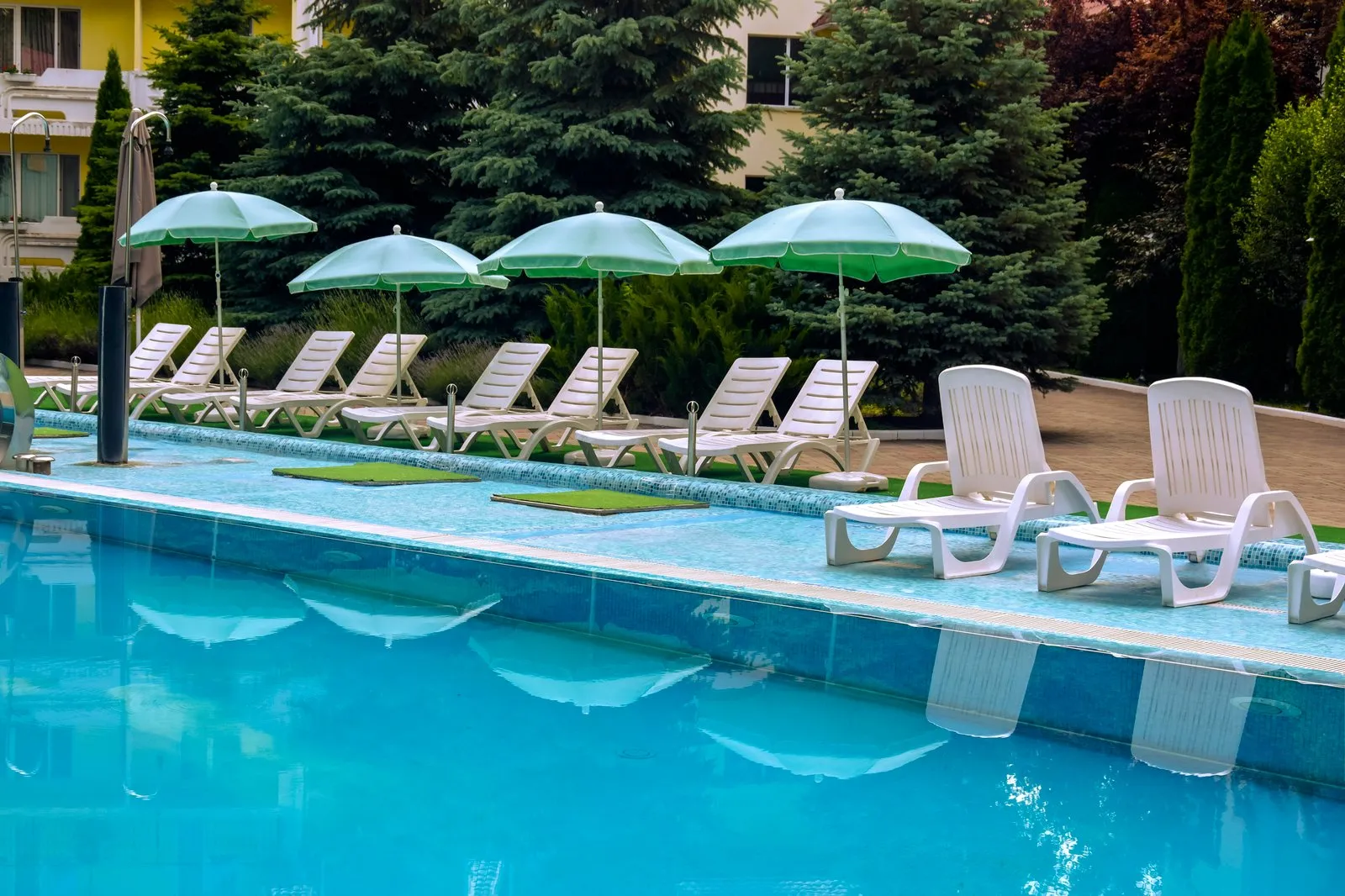
Sun, sand and pool chemicals
Havasu combines a few things that are hard on coatings: some of the strongest sun in the state, fine sand that acts like sandpaper, and pool chemicals that end up on garage floors and patios. Polyaspartic handles all three well, which is why we use it as the topcoat on most garages and covered outdoor spaces.
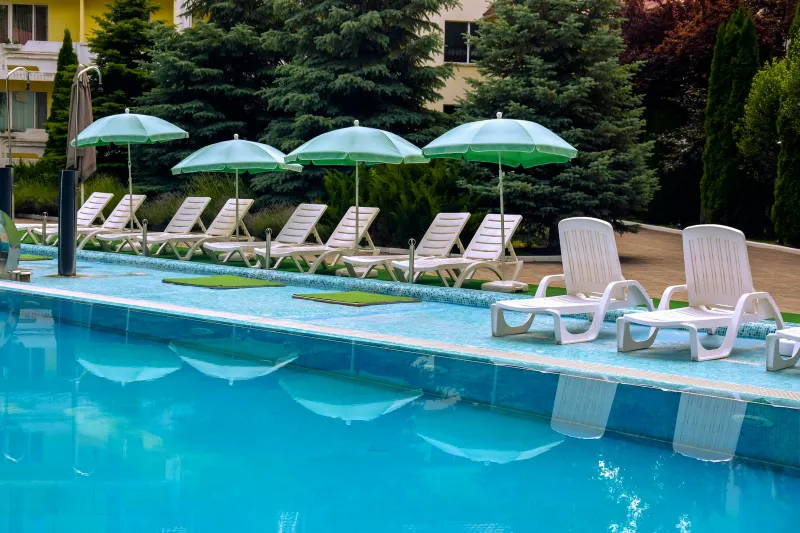
For uncovered pool decks in full sun, we often prefer a cooler, textured deck system, because any smooth coating in direct July sun gets hot underfoot. We will talk through what is best for each surface on your property.
Beware the shortcut one-day floor
Polyaspartic makes fast floors possible, but the prep still takes time. A quality one- or two-day garage still includes full diamond grinding, crack repair and careful edge work. Quotes that promise a floor in a few hours by skipping grinding, or by rolling a single thin coat over etched concrete, tend to peel within a summer or two. Ask any installer how they prepare the slab before you sign.
Is polyaspartic right for your floor?
Polyaspartic is the right call when sun reaches the floor, when you need the space back quickly, or when the floor will see hot tires and chemicals. That covers most Havasu garages, covered patios and many commercial spaces.
Where it falls short: badly uneven slabs that need a thick leveling layer (epoxy builds that up better), and metallic art floors, where the installer needs more minutes to move pigment around. Moisture coming up through a slab is a problem for every coating, so we test before recommending anything.
Care and maintenance
Polyaspartic floors are easy to live with. Sweep or blow out sand regularly, wipe spills, and wash now and then with warm water and a neutral cleaner. Avoid citrus degreasers and strong solvents. A mat inside the garage door catches a lot of grit. If the topcoat dulls in traffic lanes after several years, it can be lightly abraded and recoated in a day.
What it costs
Polyaspartic materials cost more than standard epoxy, but on a typical garage, prep and labor are the bigger part of the price, so the total difference is often modest. Size, slab condition, repairs, chip coverage and texture are the main factors. Your written quote breaks it all down.
Fast floors for vacation rentals
For rental owners, every day the garage or patio is off-limits is a day that might cost a booking. Polyaspartic systems help keep that window small. Many garages and covered patios can be prepped and coated within a day or two and be ready for guests shortly after.
Tell us your calendar when you book a quote. We will look at the space, the weather and your bookings and suggest a plan that keeps guests happy and your floor properly cured.