Some floors in Havasu carry a lot more than a car. A loaded boat trailer, a fifth wheel resting on its jacks, a shop full of tools and equipment. Those concentrated loads, combined with slabs that swell and shrink with the daily temperature swing, are hard on rigid coatings. That is where polyurea comes in.
Polyurea cures tough but flexible. It absorbs impact instead of chipping, moves slightly with the concrete instead of cracking over it, and bonds strongly to properly ground concrete. In our heavy-duty systems, it is the layer doing the hardest work. This page explains when it is worth choosing and how we use it.
Why rigid coatings struggle under heavy use
Standard epoxy is very hard and very strong, which is great until something heavy or sharp hits it. A dropped wrench, a trailer tongue set down a little too hard, or the steel foot of an RV leveling jack concentrates force on a tiny area. Rigid coatings can chip or crack under that kind of impact.
Temperature adds another stress. A garage slab in Havasu can be cool after a night with the door closed and much warmer by late afternoon, especially near the door. Concrete expands and contracts with those swings, and existing cracks open and close slightly. A rigid coating bridging a crack takes that stress at its edges, which is often where chips start.
Polyurea stretches slightly and springs back. It spreads impact loads instead of fracturing, and it rides along with normal slab movement. That flexibility is the main reason we use it for RV bays, boat garages and workshops.
RV and boat garages
Havasu's RV and boat garages are the perfect example of where polyurea shines. They carry the heaviest loads of any residential floor, often on small contact points like trailer jacks and leveling pads. They see water from rinsing boats, oil and fuel from engines, and lots of in-and-out traffic in summer.
A typical system for these spaces is a polyurea base coat, a full flake broadcast for texture and camouflage, and a UV-stable polyaspartic topcoat with slip-resistant aggregate. We also recommend a simple pad or plate under jacks and stands to spread the load even further.
The result is a floor that handles the weight, cleans up after a messy lake day and looks sharp when the big door is up.
What polyurea brings to a floor
Systems built on polyurea
Heavy-duty garage system
Polyurea base, full flake and textured polyaspartic top. Our standard for RV and boat bays.
Shop and workshop floor
Pigmented polyurea with a grit topcoat for a clean, high-traction surface.
High-build industrial
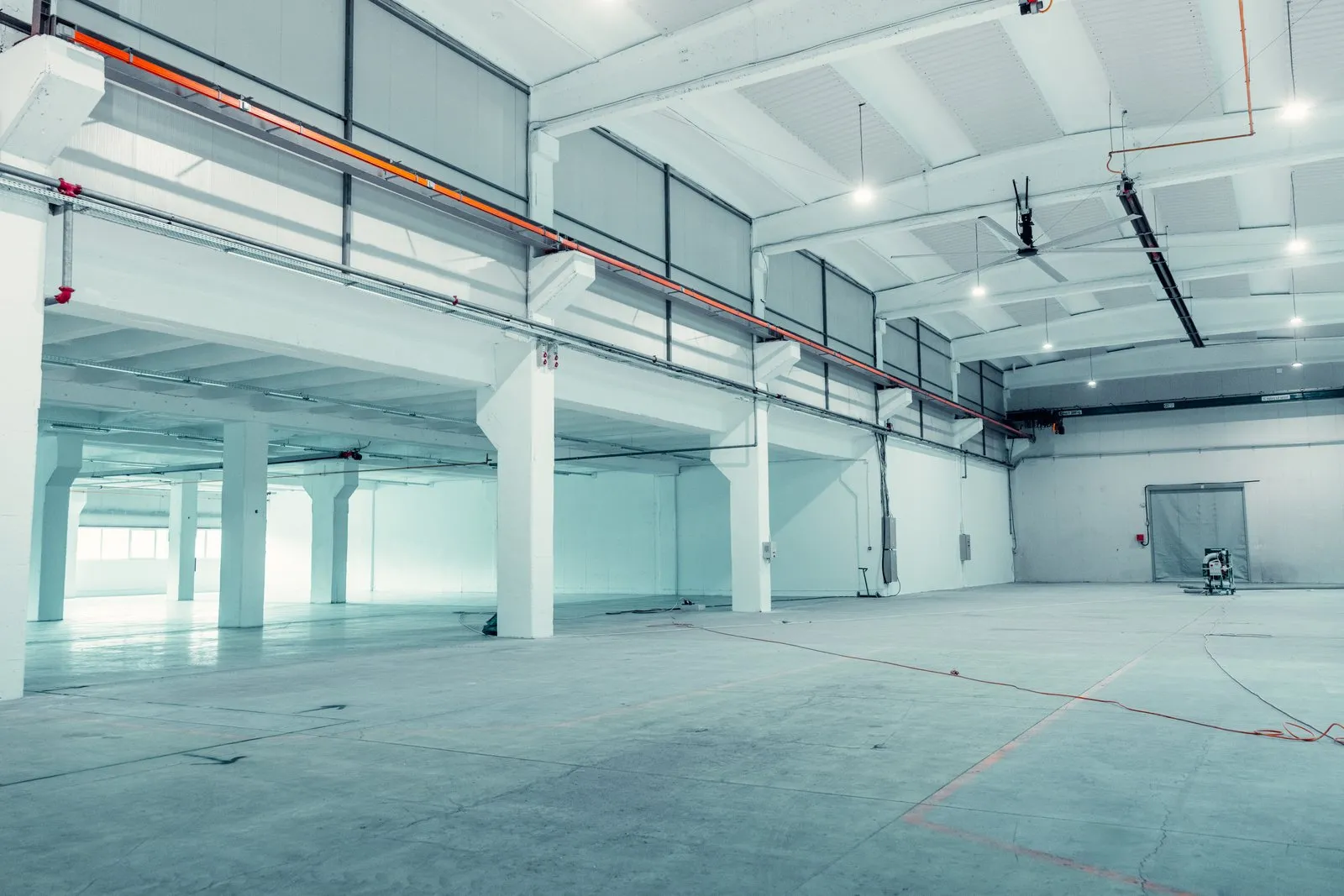
Thicker polyurea layers for storage facilities and equipment bays. See warehouse coatings.
Flexible crack repair
Polyurea-based fillers that move with the slab, used under many systems.
Installation
Inspect the slab
We map cracks and joints and look for signs of bigger structural movement.
Grind
Diamond grinding opens the surface so polyurea can bond deeply.
Repair
Moving cracks get flexible filler; static damage gets rigid repair.
Base coat
Polyurea goes down in sections, with flakes or pigment.
Topcoat
A UV-stable, textured topcoat finishes the system.

Heat, soil and slab movement in Havasu
Lake Havasu City's extreme heat means slabs see big temperature swings, especially in garages with the door open in the afternoon and closed overnight. Many homes also sit on desert soils that shift a little with moisture from irrigation and summer storms. The result is normal hairline cracking in a lot of slabs.
Polyurea handles that kind of movement far better than rigid coatings. It is not a cure for structural problems, though. If a slab is actively settling or heaving, cracks will come through any coating, and we will point out what we see before quoting.
During installation, heat makes polyurea cure even faster than usual. We start early, size batches carefully and keep materials out of the sun.
Why polyurea needs a pro
Polyurea sets fast, especially in Havasu heat. It needs exact mixing, a freshly ground and clean surface, and quick, even application. Knowing which cracks to fill flexibly and which rigidly, and recognizing when cracking signals a bigger issue, comes from experience. It is not a product for a weekend project.
Is polyurea worth the extra cost?
Polyurea costs more than standard epoxy in materials, but prep and labor are the bigger part of most projects, so the total difference is usually modest. For RV and boat bays, shops and floors with lots of cracks, the added toughness is usually worth it. For a lightly used, newer two-car garage, a quality epoxy base may be enough, and we will say so.
Care
Sweep or blow out sand and gravel, rinse spills and wash with a neutral cleaner. Put pads under jacks, stands and kickstands. If the topcoat dulls over the years, it can be refreshed without touching the polyurea base.
When we recommend polyurea
These are the situations where we usually suggest a polyurea base.
Trailer jacks, stands and point loads
The heaviest things in most Havasu garages do not rest on tires. They rest on small steel feet: trailer tongue jacks, RV leveling jacks, boat stands and motorcycle kickstands. All the weight goes through a few square inches, and on a hot day that is a real test for any coating.
Polyurea spreads and absorbs those loads better than rigid coatings. Even so, we suggest a simple pad, such as a square of plywood or a rubber puck, under jacks and stands. It costs almost nothing and protects the topcoat for years.
Pairing polyurea with the right topcoat
Polyurea is a superb base, but it is usually not the final layer. Many polyurea base coats are not designed for long-term sun exposure, so in garages with open doors, covered patios and any space where daylight reaches the floor, we finish with a UV-stable polyaspartic topcoat. That top layer also sets the texture and sheen, and it is the part that gets refreshed years down the road. In a fully enclosed shop or storage building, other topcoats may be more economical, and we will suggest the best match for your space.